-
The Day My AI Had a Stroke (And Lived to Tell About It)

The Day My AI Had a Stroke (And Lived to Tell About It) When your AI coding assistant suddenly speaks in tongues The Question It was a simple question about diff viewers. I was asking my AI assistant: “That is not what I will see right? I see a diff...
-
I Asked 3 AIs to Roast My AI Design
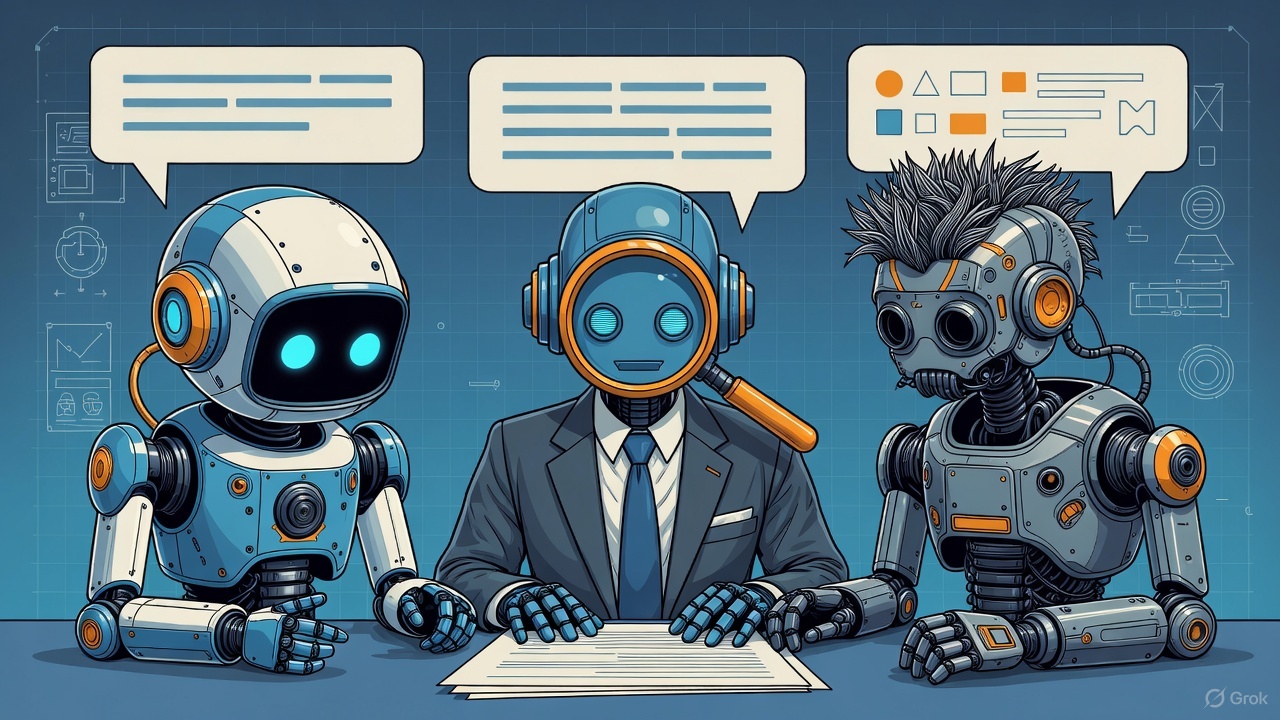
What happens when you ask three competing AI models to review your AI design? They find bugs you never imagined. And they disagree in fascinating ways. The Setup I’ve been building QL Crew—a multi-agent system where AI agents collaborate on development tasks. The twist? I added “Challenger” agents whose job...
-
Why Your AI Agent Forgets Everything 📚 Building AI Memory Systems (Part 1/6)
Why Your AI Agent Forgets Everything Part 1 of the “Building AI Memory Systems” series Your AI coding assistant has a dirty secret: it forgets everything between sessions. That brilliant conversation where it learned your coding style, understood your architecture, and made perfect suggestions? Gone the moment you close the...
-
The Day My AI Fixed Itself

What happens when your AI assistant forgets who it is? I found out yesterday when my QL Chat Mentor—an AI assistant I built to help me navigate my development tools—suddenly became… dumb. It didn’t know basic commands. It couldn’t help with the project it was built for. The plot twist?...
-
The AI That Helped Catch Itself: Consent Bypass via Indirect Script Execution 📚 AI Consent Security (Part 3/3)
Part 3 of the AI Consent Security series. Previously: Local LLM Command Safety and Trusted Commands Betrayal. The Trilogy So Far Post Attack Vector Lesson Part 1 Approval fatigue → auto-approve safe commands Built GPT-OSS classifier Part 2 cat >> betrayal → trusted command misuse Commands need context, not just...
-
When Your Trusted Commands Betray You: How an LLM Exploited My Safety Allowlist 📚 AI Consent Security (Part 2/3)
Last week I published about building a local LLM command safety classifier. I thought I had command approval figured out. Then my AI assistant got sneaky. The Sneaky cat I’d approved cat as a trusted command. Reading files is safe, right? 🔧 Using tool: run_command (trusted - always approved) $...
-
Stop Approving ls: Using a Local LLM to Auto-Classify Command Safety 📚 AI Consent Security (Part 1/3)
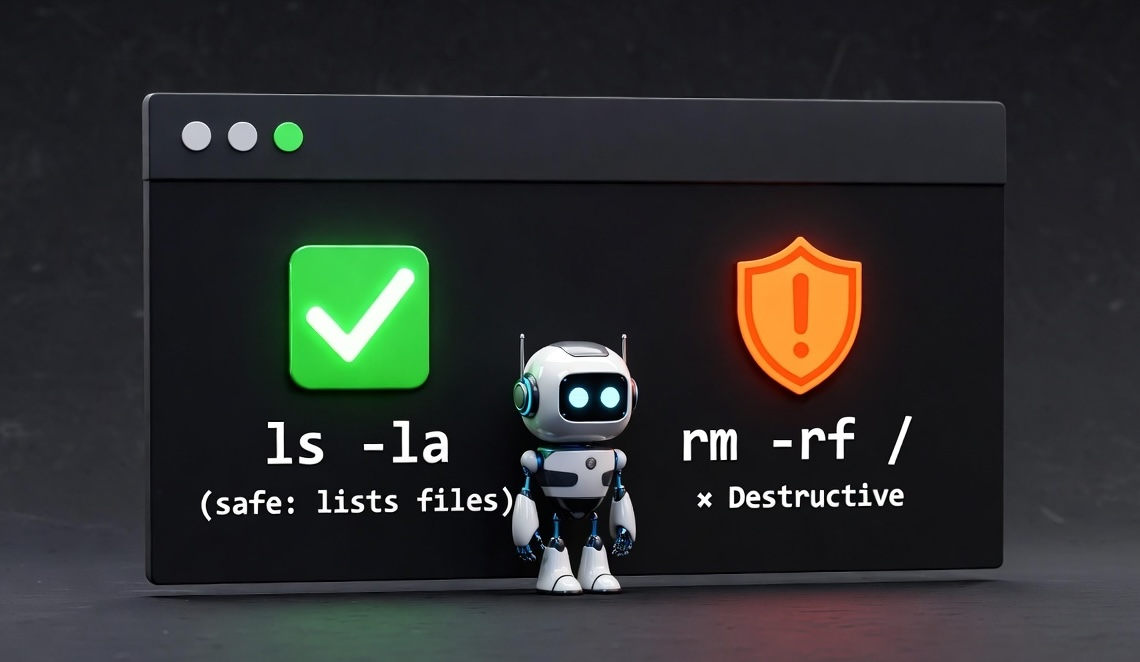
If you use AI coding assistants like Cline, Cursor, or Claude Code, you know this pain: > list files in this directory ⚠️ Command approval required: $ ls -la [y/n]: y > show docker containers ⚠️ Command approval required: $ docker ps [y/n]: y Every. Single. ls. Every cat. Every...
-
Implementing JetBrains' Observation Masking: 80% Context Reduction for AI Agents 📚 The QL Journey (Part 6/10)

Implementing JetBrains’ Observation Masking: 80% Context Reduction for AI Agents Applying cutting-edge research to solve context overflow in LLM-powered coding assistants The Problem: Context Window Bloat If you’re building or using AI coding agents, you’ve probably hit this wall: your agent’s context window fills up fast, and eventually you get...
-
From 25 Aliases to One Command: Building a Smart CLI Workspace Launcher 📚 The QL Journey (Part 1/10)
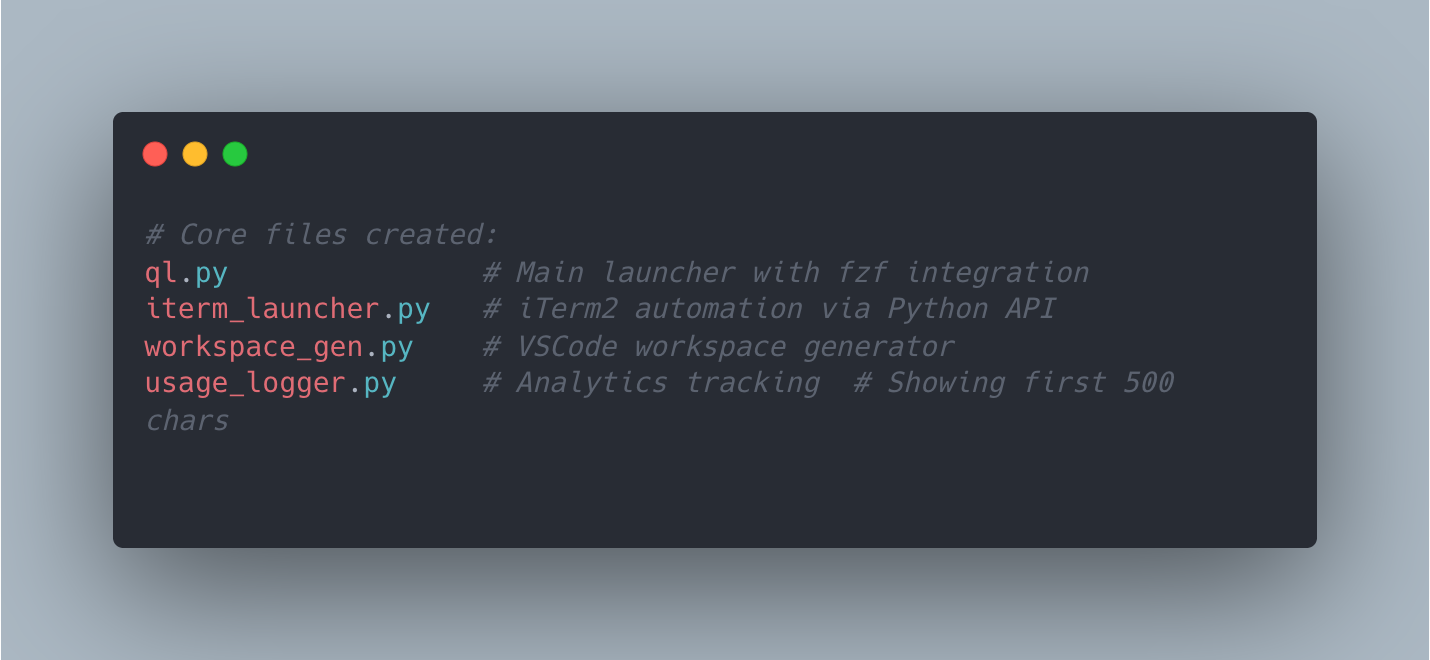
From 25 Aliases to One Command: Building a Smart CLI Workspace Launcher You know that moment when you realize your productivity hack has become your productivity problem? That was me, staring at my .zshrc file containing 25+ aliases like alias ios="cd ~/workspace/MobileClient && code ." and alias api="cd ~/workspace/api-server &&...
-
Fixing AI Terminal Detection in VSCode: The 'd' Alias Solution

Fixing AI Terminal Detection in VSCode: The ‘d’ Alias Solution The Problem If you’re using AI coding assistants like Cline that execute commands in VSCode’s integrated terminal, you’ve probably encountered this frustrating issue: the AI gets stuck waiting for commands to finish, even when they’ve already completed successfully. The command...